Fruit Attraction 2026: The People Behind Our Food
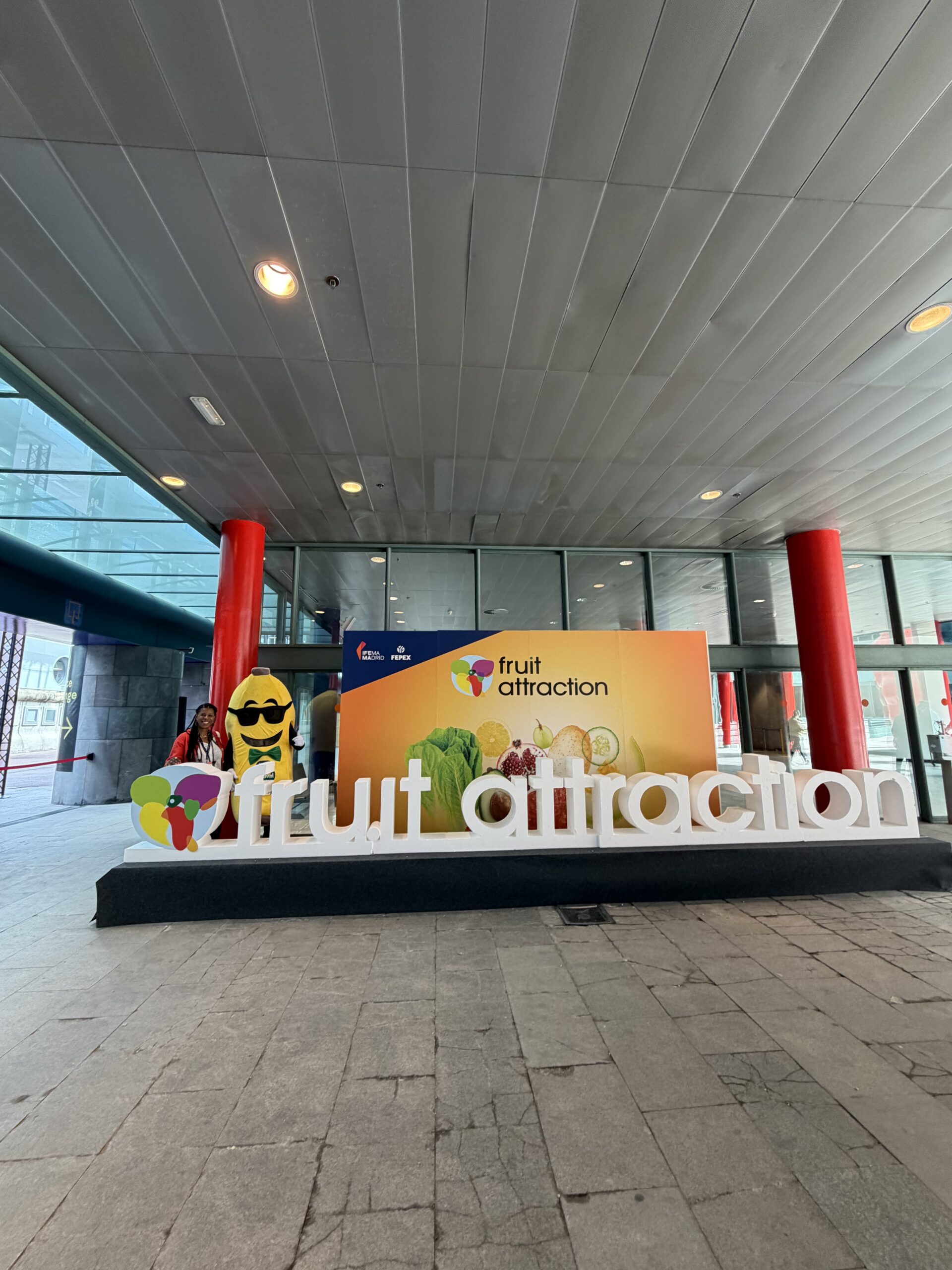
Seedless citrus, unfamiliar fruit varieties, agricultural machinery, and conversations spanning continents: Fruit Attraction 2026 gave me plenty to absorb. Walking through the exhibition halls in Madrid, I followed the connections between what we grow, how we grow it, and whether it reaches our tables.
I attended on October 7 as a food systems consultant and cultural storyteller. Those perspectives travel together wherever I go. I wanted to explore the innovations on display while understanding what they could mean for farmers, businesses, and communities.
Later, a panel on the banana trade brought those connections into sharp focus. Plant science and farm technology could improve production. However, shipping disruptions, security risks, and decisions far beyond the farm could still reshape a producer’s prospects. That tension became my strongest lesson from the day.
New fruit varieties opened a bigger conversation
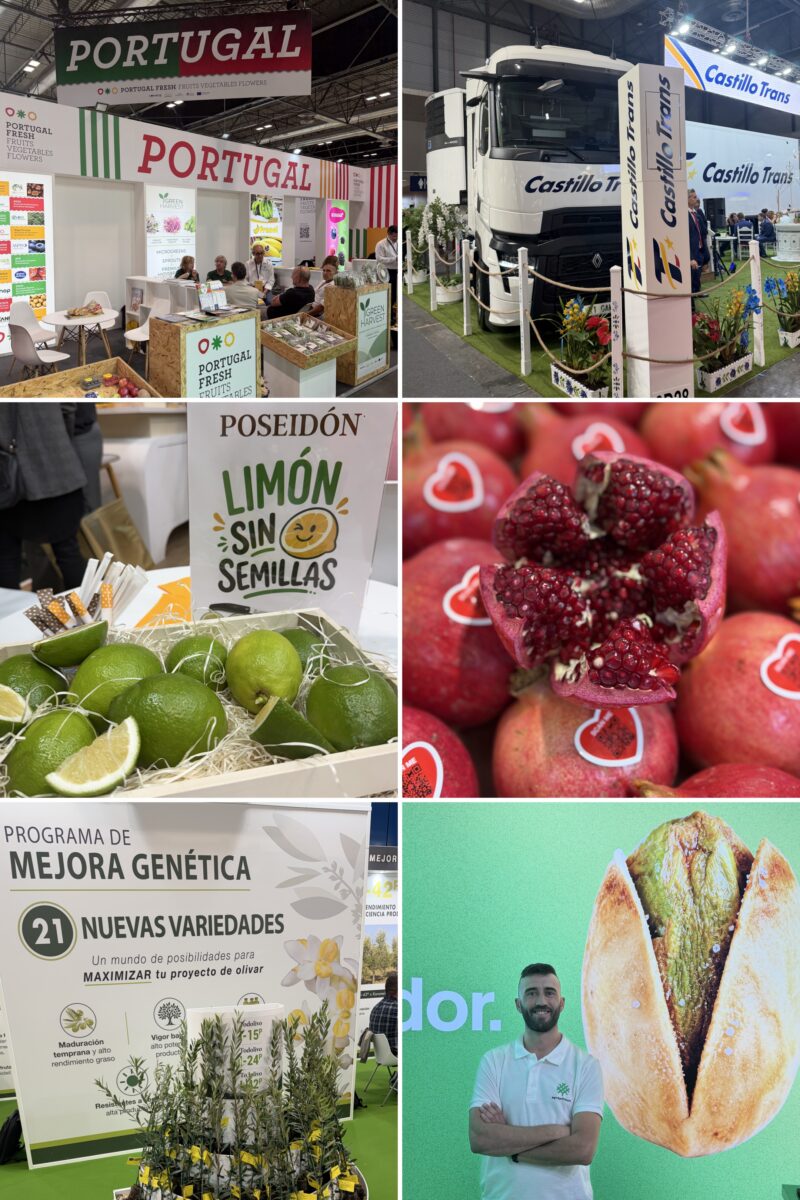
The fruit displays were an obvious place to start. Seedless citrus caught my attention, alongside varieties unfamiliar to me. Meanwhile, seeds and seedlings offered a glimpse into the work that happens long before produce reaches a shop.
As a consumer, I could appreciate the appeal of convenience, flavor, and variety. As a consultant, however, I thought about the decisions behind each offering. Choosing planting material commits a grower’s land, labor, and money to a particular production strategy.
That makes varietal development relevant to climate adaptation. A variety’s commercial appeal tells only part of its story. Growers also need to understand its suitability for local conditions, resource requirements, and likely performance within their operations.
Bejo’s work in varietal development and technical support interested me through that lens. I also met a researcher working with viticulture and kiwifruit. That encounter connected crop science with the questions I bring to agricultural development: resilience, livelihoods, and viable markets.
The lesson I carried forward was that agricultural diversity needs practical support. Introducing a promising variety should come with useful guidance and a realistic market assessment. Otherwise, producers carry the risk of turning scientific potential into a workable business.
Technology mattered most where it met everyday decisions
Beyond the produce, machinery and agricultural infrastructure revealed another side of innovation. Water management, irrigation, digital tools, and postharvest equipment addressed different stages of production. Seeing them within the same event helped connect decisions that often appear in separate conversations.
Wisecrop’s digital farm management work drew my attention to how growers use information. Irrigation solutions brought resource management into that discussion. Meanwhile, Calibrafruta’s work connected grading, packaging, and automation with what happens after harvest.
Together, these areas reinforced an important point: improving production also requires attention to what follows it. Harvesting more has limited value if handling, storage, or distribution cannot protect the crop. Preventing loss belongs within the innovation conversation from the beginning.
Packaging added another layer. DS Smith’s work prompted me to consider how materials support protection, transport, and presentation. AIMPLAS brought a circular economy perspective, while biological inputs associated with Asfertglobal and Agronova raised questions about plant health and production practices.
Through my consulting work, I have learned to pay close attention to implementation. A grower needs to understand a solution, afford it, and apply it under real conditions. Consequently, training and technical support should form part of the investment itself.
The banana panel connected the farm to global pressures
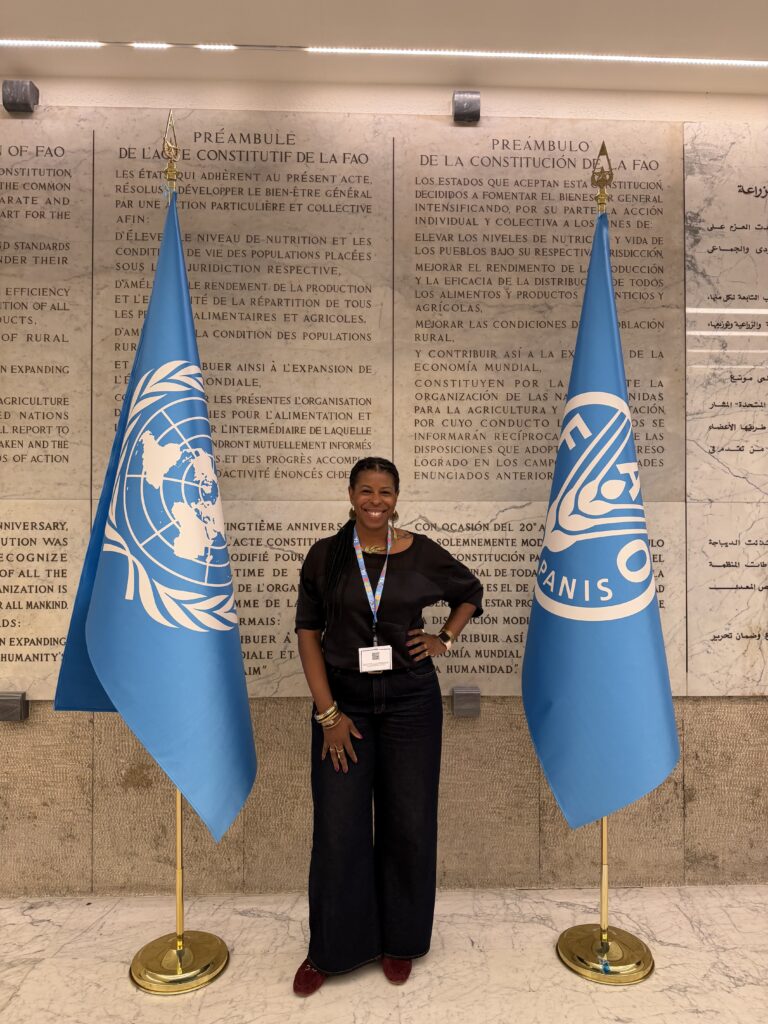
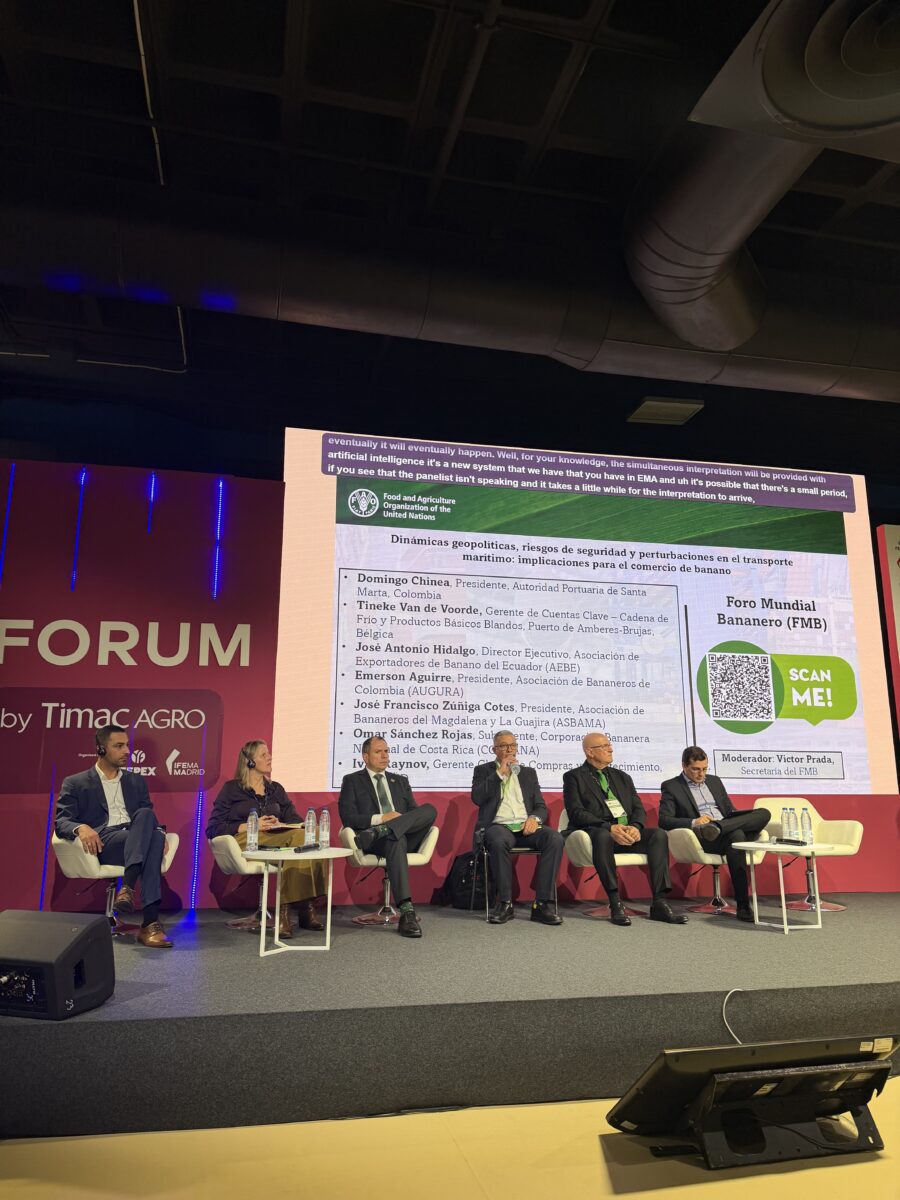
The FAO World Banana Forum panel brought a different dimension to my day. Its subject was geopolitical dynamics, security risks, and shipping disruptions in banana trade. Here, the conversation moved from growing food to the conditions governing its journey.
The session connected maritime transport and port security with costs, delivery times, and market access. It also addressed the risks criminal networks create for legitimate banana shipments. These issues placed agricultural production within a much wider network of responsibilities.
For me, the implication was clear: farm-level improvements need dependable systems beyond the farm gate. Producers can invest in quality and efficiency while remaining exposed to disruptions elsewhere. That is why resilience must include logistics, trading relationships, and coordination across the supply chain.
The panel gave the exhibition floor a broader meaning. The technologies I had been considering addressed important production challenges. However, their value also depended on a crop reaching its destination through a functioning trade system.
My takeaway was that agricultural development programs should connect production support with market and logistics planning. Helping a business grow more food is one step. Helping it manage the journey to a buyer makes that investment more durable.
International exhibitors made market access tangible
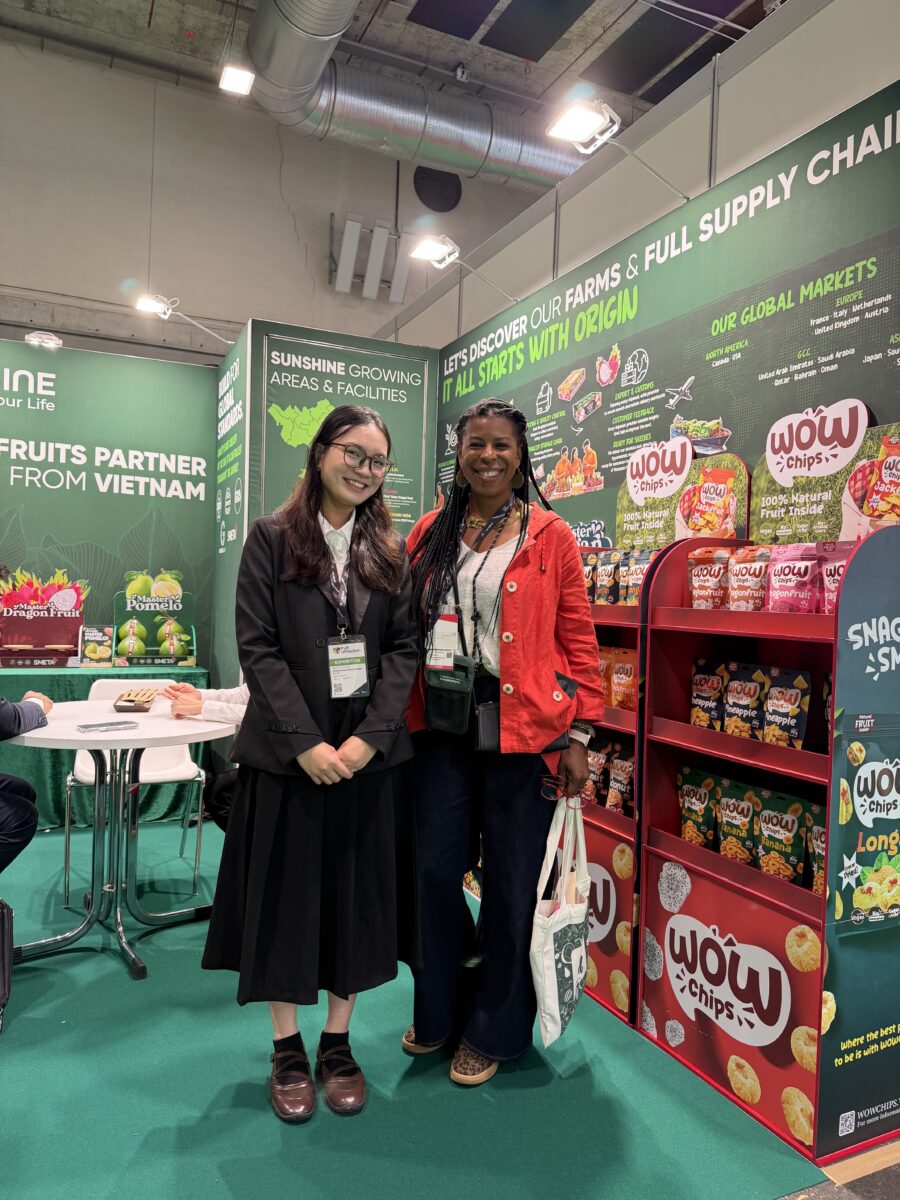
Companies from Ghana, Vietnam, China, and Colombia brought that international picture onto the exhibition floor. Moving among them, I saw how many places and agricultural economies were represented. Each presence added context to the wider discussion about who participates in global food markets.
Having worked across Africa, Asia, and Latin America, I know that reaching buyers requires substantial preparation. Businesses need consistent products, sound operations, and the ability to meet commercial requirements. They also need relationships that help them understand and respond to demand.
Colombia’s presence resonated with me personally because of my Afro-Colombian heritage. It connected my professional interest in agricultural trade with my sense of cultural belonging. Food carries knowledge and identity even when a commercial setting emphasizes specifications and sales.
Meanwhile, Portugal’s exhibitors offered another perspective on place and enterprise. Vale da Rosa, Portugal Nuts, Supreme Fruits, and Aurora World drew my attention to different agricultural businesses. Their presence encouraged me to consider how regional production becomes an international offering.
Across these encounters, I kept thinking about producer visibility. A finished product can represent a much larger network of work and knowledge. Meaningful market development should help the people within that network gain value from the opportunities being created.
Women’s participation carried commercial significance
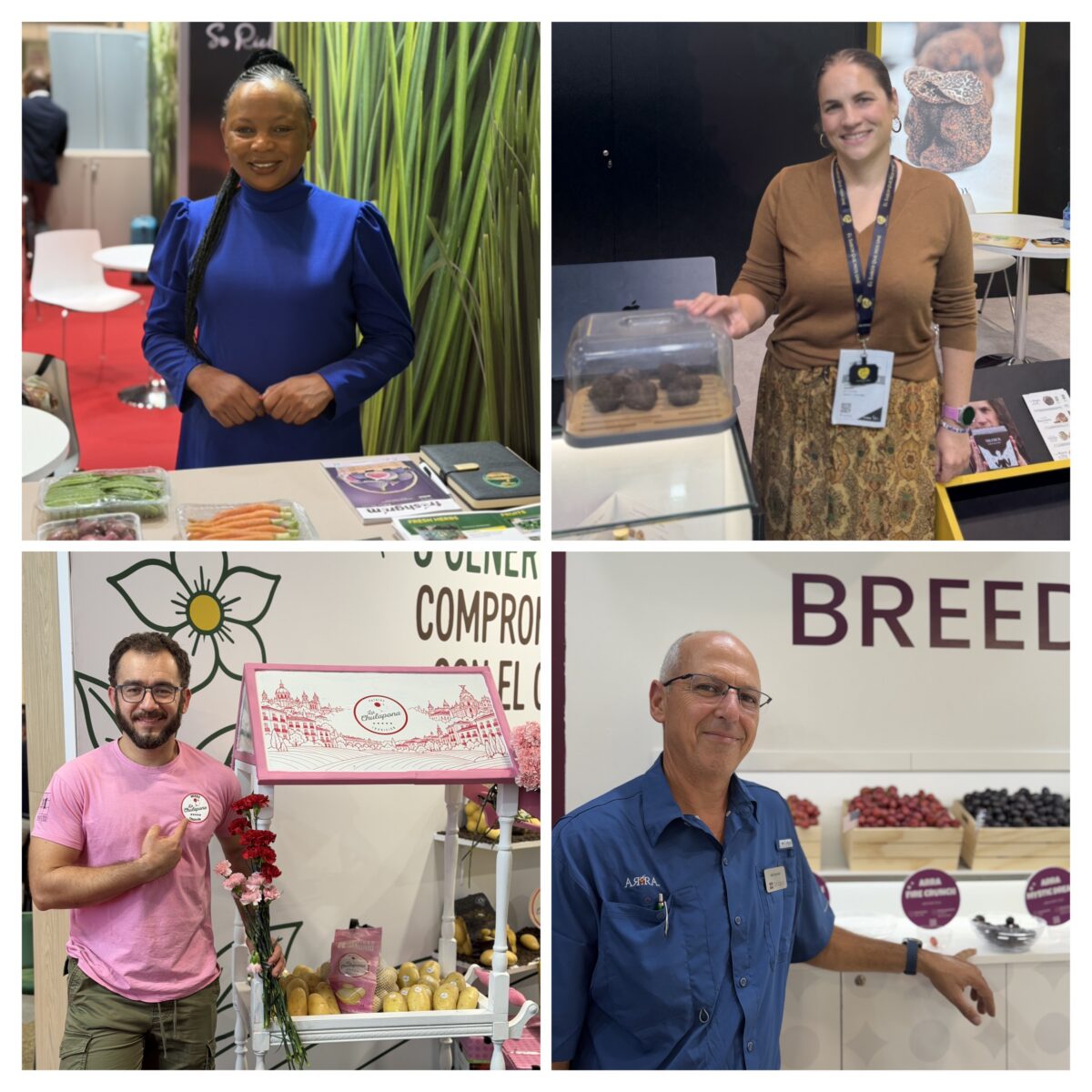
The women I met were another important part of that picture. Their presence reinforced why I bring a gender perspective to food systems reporting. Agricultural expertise extends across the work of growing, developing, managing, and marketing food.
That breadth matters when we discuss women’s opportunities. Research, enterprise management, communications, and trade all influence which products succeed. Therefore, support for women in agriculture should connect technical skills with commercial relationships and leadership opportunities.
At an event centered on business, access to those relationships has practical value. People come to present their expertise, understand buyers, and explore partnerships. Women’s participation in these spaces belongs within discussions of business growth and competitiveness.
My work on gender also pushes me to consider what follows participation. Access to finance, influence over investment, and authority in negotiations help determine who benefits. Those conditions deserve attention whenever new technologies or markets create opportunities.
Food and flamenco brought a different rhythm
Fruit Attraction was strongly sales-oriented, and I had wanted more opportunities for hands-on learning. Still, the evening happy hours brought a welcome change of pace. Food, flamenco, and meeting a family added warmth to a day shaped largely by business.
The menu offered its own kind of creativity, including Idiazábal panna cotta with quince and aged beef carpaccio with truffle oil and Parmesan. After considering food through production and trade, I could appreciate it through flavor and hospitality.
That shift mattered to me as a cultural storyteller. Food systems ultimately connect to experiences people value: meals, relationships, pleasure, and belonging. Those experiences help explain why the work behind our food deserves attention.
My strongest lesson from Fruit Attraction 2026
I left Madrid thinking about the connections between everything I had seen. Seedless citrus raised questions about consumer preferences and varietal development. Machinery and digital tools highlighted production and resource decisions. The banana panel showed how global pressures could affect the journey beyond harvest.
Together, those experiences strengthened my view that agricultural innovation needs coordinated support. Plant research, producer training, financing, logistics, and market development should reinforce one another. The people expected to put an innovation into practice need a voice in shaping that support.
For the businesses, development organizations, and institutions I work with, that offers a practical direction. Begin with the producer’s circumstances. Connect technical improvements with commercial realities. Then assess whether the resulting opportunity can withstand pressures across the wider food system.
These are the connections I explore through DG Speaks and my wider food and cultural reporting. Fruit Attraction 2026 gave me a vivid view of an industry developing new possibilities. Its lasting lesson was how much collaboration those possibilities require.